Mastering Your Marketing Strategy with the Marketing Strategy Workbook
The Marketing Strategy Workbook is a powerful tool designed to help entrepreneurs, business owners, and marketing professionals build a clear, results-driven plan. More than just a planner, it serves as a comprehensive roadmap that guides users through every step of developing and executing a successful marketing strategy. Whether you're launching a new business or refining an existing one, this workbook offers structured tools to define your brand, identify your target audience, and implement effective strategies.
Why the Marketing Strategy Workbook Matters
In today’s fast-paced and competitive market, having a well-structured marketing plan is essential. The Marketing Strategy Workbook provides a professional layout that enhances clarity and ease of use, making it ideal for both digital and printed formats. With its printable PDF version and editable Canva link, users can customize the content to fit their specific needs. This flexibility allows for personalized planning that aligns with individual goals and organizational objectives.
One of the most valuable aspects of the Marketing Strategy Workbook is its focus on strategic thinking. It encourages users to think beyond surface-level tactics and instead develop a long-term vision for their brand. By breaking down complex processes into manageable sections, the workbook supports better decision-making and ensures that every action contributes to measurable outcomes.
Key Features of the Marketing Strategy Workbook
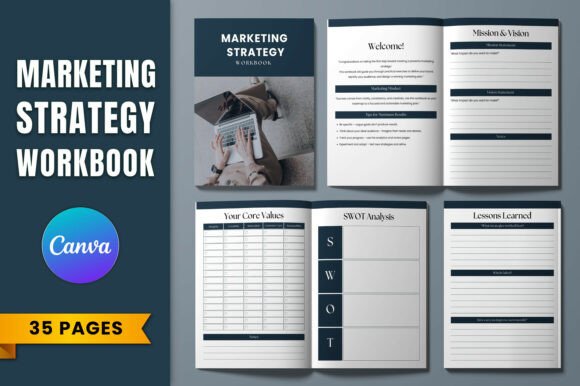
- Mission Vision Development: Start by defining your mission and vision to create a clear direction for your brand.
- Core Values Business Snapshot: Document your core values and create a snapshot of your business to serve as a reference point.
- Target Audience Competitor Analysis: Identify who your customers are and analyze your competitors to find opportunities for differentiation.
- SWOT SMART Goal Setting Templates: Use SWOT analysis and SMART goal frameworks to set realistic and achievable objectives.
- Social Media, Email, and Content Planning Pages: Plan your content calendar and social media strategy with actionable templates.
- Paid Advertising Collaboration Tracking: Track your paid advertising efforts and collaborate effectively with partners or agencies.
- Engagement, Analytics Performance Review: Monitor engagement metrics and review performance to refine your approach.
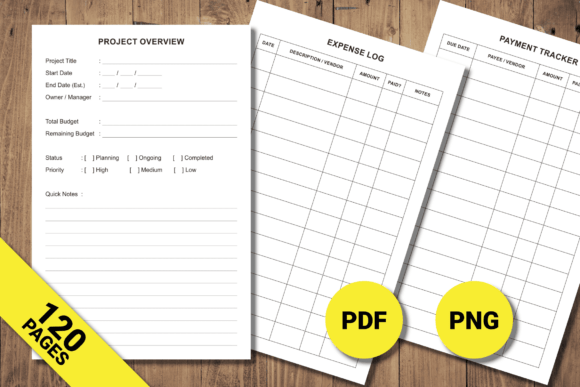
- Budget, Event Launch Planning Sheets: Manage your budget and plan events that align with your marketing goals.
- Lead Magnet, Retargeting A B Testing Tools: Create lead magnets, test different ad variations, and improve conversion rates.
- Vision Board Long-Term Strategy Planning: Visualize your goals and plan for long-term success with a vision board.
Strategic Use Cases for the Marketing Strategy Workbook
The Marketing Strategy Workbook is not just for startups—it's equally valuable for established businesses looking to refine their marketing approach. Here are some practical use cases where the workbook shines:
For Entrepreneurs: When launching a new product or service, the workbook helps structure your initial marketing plan. From defining your mission to setting SMART goals, each section provides actionable steps to ensure consistency and clarity.
For Small Business Owners: The workbook can be used to streamline operations and improve customer experience. By identifying your target audience and analyzing competitors, you can position your brand more effectively in the market.
For Freelancers and Creators: If you're building a personal brand, the Marketing Strategy Workbook offers tools to define your niche, create compelling content, and engage with your audience through email and social media.
For Corporate Teams: Larger organizations can use the workbook to align departments around common marketing goals. The collaborative tracking features and performance reviews make it an excellent tool for cross-functional teams.
How to Approach the Marketing Strategy Workbook
Using the Marketing Strategy Workbook intentionally requires a strategic mindset. Start by setting clear goals and outlining your vision. Then, move through each section systematically, ensuring that each part of the plan builds on the previous one. Avoid jumping between sections without a clear purpose, as this can lead to disjointed strategies.
It’s also important to consider the context in which you’re using the workbook. Are you working alone or with a team? What are your available resources? Understanding these factors will help you tailor the workbook to your specific needs. For example, if you're a solo entrepreneur, you might prioritize content planning and lead magnet creation over extensive competitor analysis.
Additionally, the workbook includes a variety of templates and tools that can be adapted to different industries and business models. Whether you're in retail, tech, or education, the principles outlined in the workbook remain relevant and applicable.
Risks of Using the Workbook Without Clear Goals
While the Marketing Strategy Workbook is a valuable resource, it’s important to recognize the risks of using it without clear goals or context. One of the biggest risks is wasted time and effort. Without a defined objective, users may fill out sections of the workbook without understanding how they contribute to overall success.
Another risk is misalignment with your brand identity. If you don’t start with a strong mission and vision, the rest of your marketing strategy may lack cohesion. This can result in inconsistent messaging and a weak brand presence in the market.
Moreover, using the workbook randomly can lead to missed opportunities. Each section is designed to support specific aspects of your marketing plan, so skipping key areas can leave gaps in your strategy. For instance, neglecting competitor analysis may prevent you from identifying unique selling points that differentiate your brand.
Practical Tips for Effective Use
To get the most out of the Marketing Strategy Workbook, consider the following tips:
- Start with your mission and vision: These form the foundation of your marketing strategy. Without them, your actions may lack direction.
- Define your target audience: Knowing who you're trying to reach is crucial for creating relevant content and messaging.
- Set SMART goals: Make sure your goals are specific, measurable, achievable, relevant, and time-bound.
- Use analytics to track progress: Regularly review performance data to adjust your strategy as needed.
- Collaborate with others: If you're working with a team, use the collaboration tracking features to keep everyone aligned.
- Test and iterate: Don’t be afraid to experiment with different tactics and refine your approach based on results.
Long-Term Value of the Marketing Strategy Workbook
The true value of the Marketing Strategy Workbook lies in its ability to support long-term growth and sustainability. By providing a structured framework for planning and execution, it helps users stay organized, productive, and focused on their goals.
Over time, the workbook becomes a living document that evolves with your business. As you complete each section, you'll gain insights that inform future decisions. This continuous learning process ensures that your marketing strategy remains relevant and effective in a changing market.
Moreover, the Marketing Strategy Workbook fosters a culture of accountability and transparency. By regularly reviewing performance and adjusting your approach, you can ensure that your marketing efforts consistently deliver value to your audience and your business.
Conclusion
The Marketing Strategy Workbook is more than just a tool—it's a strategic asset that empowers users to build, refine, and execute marketing plans with confidence. By focusing on clarity, intentionality, and continuous improvement, it helps individuals and organizations achieve meaningful results. Whether you're starting from scratch or looking to elevate your current strategy, this workbook provides the guidance and structure needed to succeed in today’s competitive landscape.