Digital Marketing Strategy Planner: A Complete Guide for Modern Marketers
In today’s fast-paced digital landscape, businesses and entrepreneurs are constantly seeking tools that help them stay organized, focused, and ahead of the curve. One such tool that has gained significant traction among professionals, creators, and small business owners is the Digital Marketing Strategy Planner. This comprehensive workbook-style planner is designed to streamline the entire marketing process—from planning and execution to tracking and optimization. Whether you're an entrepreneur looking to scale your brand or a content creator aiming to refine your strategy, the Digital Marketing Strategy Planner offers a structured yet flexible approach to managing your digital presence effectively.
The Evolution of Digital Marketing and the Need for Strategic Planning
Digital marketing has evolved dramatically over the past decade. From basic SEO and social media posting to data-driven campaigns and AI-powered analytics, the industry has become increasingly complex. With more channels, tools, and metrics than ever before, marketers face the challenge of maintaining clarity and focus. This is where strategic planning becomes essential.
The Digital Marketing Strategy Planner addresses this need by providing a centralized platform where users can map out their marketing goals, track progress, and make informed decisions. It’s not just a planner—it’s a complete toolkit that helps users navigate the intricacies of modern marketing while staying aligned with their business objectives.
What Is the Digital Marketing Strategy Planner?
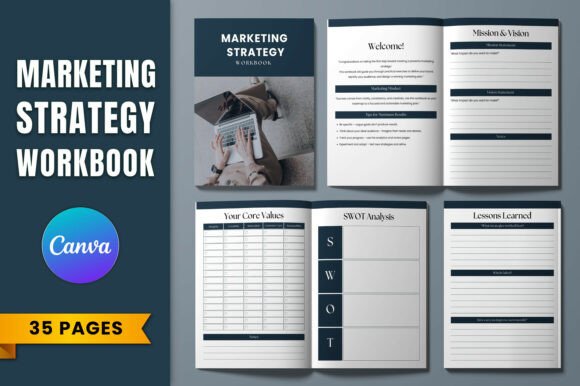
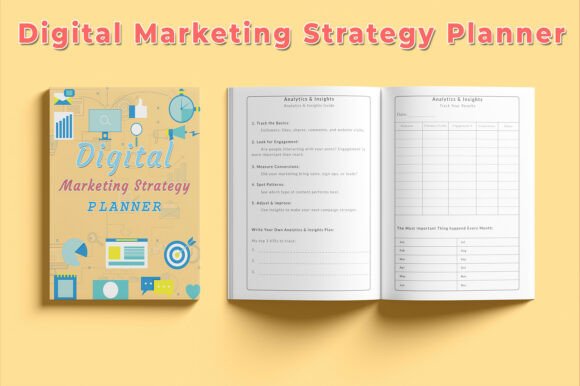
The Digital Marketing Strategy Planner is an all-in-one workbook designed to help individuals and small businesses plan, execute, and optimize their digital marketing efforts. It includes a wide range of resources such as:
- Goal Setting Worksheets: Helps users define clear, measurable objectives.
- Campaign Calendars: Keeps track of key dates, content releases, and promotional activities.
- Social Media Planners: Streamlines content scheduling and engagement strategies.
- Budget Trackers: Enables users to monitor expenses and allocate funds effectively.
- Analytics Insights Guides: Offers tips on interpreting data and making data-driven decisions.
- Competitor Analysis Templates: Helps identify opportunities and gaps in the market.
- Reflection Pages: Encourages continuous learning and improvement through self-assessment.
With its user-friendly layout and actionable templates, the planner is suitable for a wide range of users, including entrepreneurs, content creators, freelancers, and marketing professionals. It’s also ideal for those who prefer a hands-on approach to planning and want to avoid the overwhelm of managing multiple tools and platforms simultaneously.
Why Is the Digital Marketing Strategy Planner Gaining Attention?
The growing complexity of digital marketing has led to an increased demand for structured planning tools. As businesses expand their online presence across multiple channels, the need for consistency, efficiency, and accountability becomes more critical. The Digital Marketing Strategy Planner meets this demand by offering a holistic solution that supports every stage of the marketing lifecycle.
Additionally, the rise of remote work and the shift toward digital-first operations have made it even more important for individuals and teams to maintain organization and focus. The planner’s ability to be used both digitally and in print makes it versatile for different workflows and preferences. Whether you’re working from home, in an office, or on the go, the planner adapts to your needs.
Key Features That Make the Planner Stand Out
One of the standout features of the Digital Marketing Strategy Planner is its comprehensive yet customizable nature. Unlike generic planners that offer one-size-fits-all solutions, this planner allows users to tailor their approach based on their specific goals, industry, and audience. For example, the Target Audience Profile section helps users create detailed personas, ensuring that their marketing efforts are always aligned with their ideal customers.
Another notable aspect is the inclusion of reflection pages, which encourage users to evaluate their progress regularly. These pages serve as a valuable resource for identifying what’s working, what’s not, and how to improve. By fostering a culture of continuous improvement, the planner helps users stay adaptable and responsive to changing market conditions.
The campaign calendar is another feature that sets the planner apart. It enables users to visualize their marketing schedule, align content with key events, and ensure consistent engagement with their audience. This level of organization is particularly beneficial for content creators and small businesses that rely heavily on social media and email marketing.
How Does the Planner Fit Into Current Market Trends?
The Digital Marketing Strategy Planner aligns perfectly with several current trends in the marketing industry. First, there’s the growing emphasis on data-driven decision-making. With the inclusion of analytics insights guides and budget trackers, the planner empowers users to make informed choices based on real-time data rather than guesswork.
Second, the trend toward personalization in marketing is supported by the planner’s target audience profile and content brainstorming sections. These tools help users create more tailored messaging that resonates with their specific audience segments.
Finally, the increasing popularity of remote and hybrid work environments highlights the importance of having a structured yet flexible planning tool. The Digital Marketing Strategy Planner provides exactly that—supporting both individual and team-based workflows without requiring constant digital connectivity.
Practical Examples of How the Planner Can Be Used
Let’s consider a practical example. Imagine a small e-commerce business launching a new product line. Using the Digital Marketing Strategy Planner, the owner can:
- Define clear goals, such as increasing website traffic by 30% within three months.
- Create a campaign calendar outlining key dates like product launches, promotions, and seasonal events.
- Develop a social media content calendar to ensure consistent engagement across platforms.
- Track budget allocation for advertising, influencer collaborations, and content creation.
- Analyze performance metrics to determine which strategies are most effective.
- Adjust tactics based on insights and feedback from the reflection pages.
This structured approach not only improves efficiency but also increases the likelihood of achieving marketing objectives. It ensures that every action taken is purposeful and aligned with the overall business strategy.
Conclusion: The Future of Marketing Planning
As the digital marketing landscape continues to evolve, the need for strategic, organized, and adaptable planning tools will only grow. The Digital Marketing Strategy Planner is well-positioned to meet this demand, offering a comprehensive solution that supports both individual creators and small businesses. Its blend of practicality, customization, and forward-thinking design makes it an invaluable asset for anyone looking to thrive in the digital age.
Whether you’re just starting out or looking to refine your existing marketing strategy, the Digital Marketing Strategy Planner provides the structure, guidance, and flexibility needed to succeed. With its ready-to-use templates, professional layout, and focus on continuous improvement, it’s more than just a planner—it’s a roadmap to growth and long-term success in the world of digital marketing.