Burnout Support Workbook for Autistic Minds
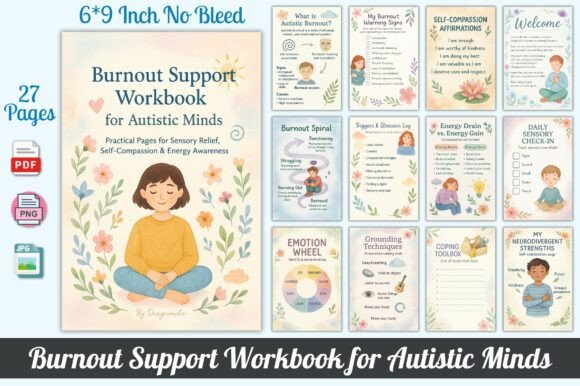
The Burnout Support Workbook for Autistic Minds is a carefully crafted resource designed to help neurodivergent individuals manage and recover from burnout. This printable tool offers a structured yet gentle approach to self-reflection, energy tracking, and emotional support, making it ideal for those who experience overwhelm, sensory overload, or masking fatigue. Whether you're an adult, teen, caregiver, therapist, or someone navigating the complexities of daily life, this workbook provides a safe space to reset, reflect, and build sustainable self-care routines.
Understanding Burnout in Autistic Contexts
Burnout is not just about exhaustion—it’s a complex interplay of physical, emotional, and sensory factors that can significantly impact well-being. For autistic individuals, burnout often manifests differently due to unique sensory sensitivities, communication styles, and coping mechanisms. The Burnout Support Workbook acknowledges these differences by offering tools that are accessible, calming, and tailored to individual needs.
This workbook helps users identify signs of burnout such as shutdown, overstimulation, and emotional exhaustion through dedicated reflection pages. These prompts encourage mindful awareness without judgment, allowing users to process their experiences at their own pace. By recognizing these symptoms early, individuals can take proactive steps to prevent burnout or support recovery.
Integrating the Workbook into Daily Workflows
The Burnout Support Workbook fits seamlessly into various aspects of daily life, whether you’re working on a project, managing personal goals, or simply navigating the day-to-day. Its design supports integration into both professional and personal workflows, making it a versatile tool for anyone who feels overwhelmed by the demands of modern life.
Before starting a new project or task, using the energy sensory log pages can help set realistic expectations. Tracking daily energy levels and sensory input allows individuals to plan their work around their natural rhythms, reducing the risk of overexertion. During the execution phase, the workbook can serve as a check-in tool, helping users stay attuned to their needs and adjust their approach as necessary.
After completing a task or reaching a milestone, the reflective prompts in the workbook provide an opportunity to evaluate progress, celebrate achievements, and identify areas for improvement. This makes it an excellent companion for goal-setting and long-term planning, ensuring that self-care remains a priority throughout the process.
Supporting Emotional Regulation and Recovery
One of the key strengths of the Burnout Support Workbook is its focus on emotional regulation and recovery. The gentle self-care recovery prompts offer practical strategies for managing stress, resetting emotions, and building resilience. These tools are especially useful for individuals who may find traditional self-care approaches overwhelming or ineffective.
For example, the workbook includes guided rest ideas, sensory-friendly activities, and breathing exercises that can be used during moments of high stress or fatigue. These techniques are designed to be low-pressure and adaptable, allowing users to engage with them in ways that feel comfortable and empowering.
Additionally, the supportive reflection tools help users explore their burnout cycles, safe spaces, and boundaries. By journaling about these experiences, individuals can gain deeper insight into their patterns and develop more effective coping strategies. This reflective process fosters a sense of agency and control, which is essential for long-term recovery.
Compatibility with Other Tools and Resources
The Burnout Support Workbook is designed to complement other tools and resources that support neurodivergent well-being. It works well alongside sensory-friendly environments, mindfulness apps, and therapy sessions, creating a holistic approach to self-care. Its compatibility with digital platforms and printable formats also makes it easy to integrate into existing workflows.
For instance, users can combine the energy tracking pages with productivity apps or calendar tools to create a personalized schedule that aligns with their energy levels. The workbook’s printable format also makes it a valuable resource for therapists and caregivers who want to support their clients or loved ones in a structured yet flexible way.
Moreover, the workbook encourages collaboration and communication, making it a useful tool for team settings or family dynamics. By promoting open dialogue about burnout and self-care, it helps build a supportive environment where everyone’s needs are acknowledged and respected.
Practical Implementation Tips
Successfully integrating the Burnout Support Workbook into your routine requires thoughtful preparation and consistent use. Here are some practical tips to help you get started:
- Choose the right time and space: Find a quiet, calm environment where you can focus without distractions. This could be a dedicated corner of your home, a cozy nook, or even a peaceful outdoor space.
- Set small, achievable goals: Start with one or two pages per week to avoid feeling overwhelmed. Gradually increase the frequency as you become more comfortable with the process.
- Customize the content: Use the workbook as a foundation but feel free to add your own notes, drawings, or reminders. Personalization enhances engagement and makes the tool more meaningful.
- Use it as part of a larger self-care routine: Pair the workbook with other self-care practices like exercise, creative expression, or social connection to create a balanced approach to well-being.
- Review regularly: Set aside time each month to review your progress and make adjustments as needed. This helps ensure that the workbook continues to meet your evolving needs.
Long-Term Use and Sustainability
The Burnout Support Workbook is not just a short-term solution—it’s a sustainable tool for ongoing self-care and recovery. Its structure encourages regular use, making it an effective companion for long-term well-being. By consistently engaging with the workbook, users can develop healthier habits, improve emotional resilience, and maintain a better balance between work and rest.
Over time, the reflective prompts and tracking tools help users identify patterns and make informed decisions about their lifestyle. This promotes a proactive approach to self-care, reducing the likelihood of burnout recurring. Additionally, the workbook’s emphasis on boundaries and safe spaces empowers individuals to advocate for their needs in both personal and professional settings.
Conclusion
The Burnout Support Workbook for Autistic Minds is a powerful resource that addresses the unique challenges faced by neurodivergent individuals. By combining gentle prompts, energy tracking, and emotional support, it offers a comprehensive approach to managing and recovering from burnout. Whether used before, during, or after a project, task, or personal goal, this tool supports sustainable well-being and long-term success. With its practical design and user-friendly format, it’s an essential addition to any self-care toolkit.