2026 Mental Health Depression Therapy: A Comprehensive Guide to Healing and Self-Care
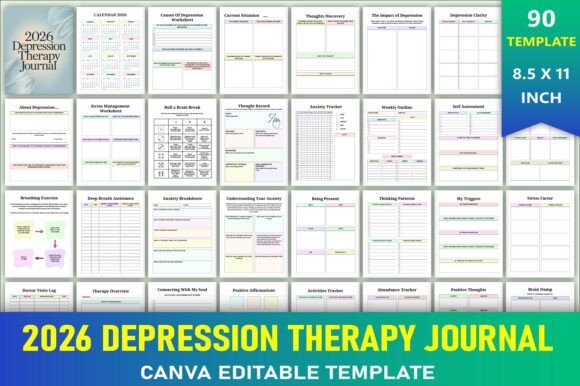
In 2026, the landscape of mental health care is evolving rapidly, with a growing emphasis on personalized and holistic approaches to depression therapy. As society becomes more aware of the importance of mental well-being, tools like the 2026 Mental Health Depression Therapy Journal are gaining popularity among individuals seeking structured support for their mental health journeys. This journal is not just a tool; it's a comprehensive resource designed to help users track progress, set goals, and engage in self-care practices that promote emotional resilience.
The Role of Structured Journals in Depression Therapy
Structured journals play a vital role in modern depression therapy by offering a tangible way for individuals to monitor their mental state and reflect on their experiences. The 2026 Mental Health Depression Therapy Journal is an example of such a tool, combining elements of mindfulness, goal setting, and therapeutic reflection into one cohesive format. It allows users to document their daily emotions, identify patterns in their moods, and develop strategies to manage symptoms effectively.
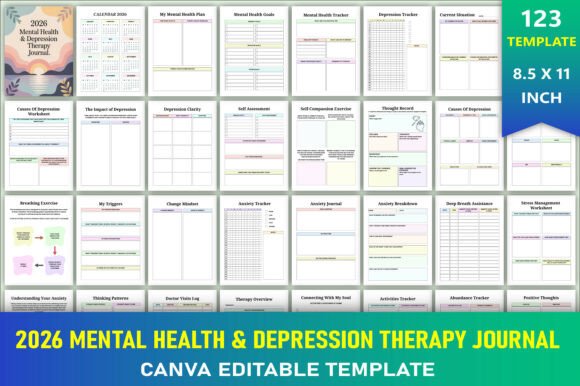
One of the key features of this journal is its inclusion of a detailed 2026 Calendar, which helps users stay organized and maintain a consistent routine. This calendar serves as a foundation for tracking mental health progress throughout the year, ensuring that users can observe changes over time and adjust their approach as needed.
Key Components of the 2026 Mental Health Depression Therapy Journal
- Belongs To Page: This section allows users to personalize the journal with their name or any identifying information, making it feel more personal and meaningful.
- My Mental Health Plan: Here, users can outline their specific mental health goals and create a plan that aligns with their individual needs and aspirations.
- Mental Intentional: This section encourages users to set intentions for their mental health journey, fostering a sense of purpose and direction.
- Symptoms Tracker: A dedicated space for monitoring physical and emotional symptoms, enabling users to recognize triggers and patterns in their mental health.
- Self-Care Tracker: Users can record their self-care activities, including exercise, relaxation techniques, and other wellness practices, to ensure they are consistently engaging in activities that promote well-being.
- Gratitude Journal: Focusing on positive aspects of life, this section helps users cultivate a mindset of gratitude, which has been shown to improve mood and reduce symptoms of depression.
- Positive Affirmations: Incorporating affirmations into daily routines can reinforce self-worth and combat negative thought patterns often associated with depression.
- Challenging Thoughts Worksheet: This tool helps users identify and reframe negative thoughts, promoting cognitive restructuring as part of their therapy process.
- Manifestation Worksheet: Encouraging users to focus on what they want to achieve, this worksheet supports goal-setting and visualization techniques.
- Problem Solving Worksheet: Designed to help users navigate challenges, this section fosters critical thinking and problem-solving skills essential for overcoming obstacles in mental health recovery.
- My Safety Plan: A crucial component for individuals at risk of self-harm, this section provides a structured approach to managing crises and ensuring safety.
- Self-Esteem Worksheet: This section helps users build confidence and self-worth through reflective exercises and affirmations.
- Worry of the Day: Tracking daily worries allows users to gain insight into their concerns and develop coping strategies for managing anxiety.
- Positive Experiences: Documenting positive moments throughout the day reinforces a sense of accomplishment and joy, counteracting feelings of hopelessness.
- Self-Reflection Questions: These prompts encourage introspection and self-awareness, helping users better understand their emotional state and growth.
- Self-Care Notes: A space for users to jot down thoughts, insights, and reminders related to their self-care routines.
- My Greatest Accomplishment: Celebrating achievements, no matter how small, helps users build momentum and motivation in their recovery journey.
- Exercise Tracker: Physical activity is a powerful tool for improving mental health, and this tracker helps users stay active and consistent with their fitness goals.
- Overcoming Limiting Beliefs: This section guides users through identifying and challenging negative beliefs that may be hindering their progress.
- Analyse of Problem Behavior: Encouraging users to examine behaviors that may be contributing to their mental health struggles, this section promotes self-awareness and behavioral change.
- Self-Care Checklist: A convenient tool for users to ensure they are covering all aspects of their self-care routine, from sleep to nutrition.
- Self Care Planner: This section allows users to map out their self-care activities for the week, creating a balanced and sustainable approach to well-being.
- My Gratitude Log: A daily log for recording things the user is grateful for, reinforcing a positive outlook and reducing stress.
- I M Grateful: A simple yet powerful exercise that encourages users to express gratitude in their own words, fostering a sense of appreciation and contentment.
Why Choose the 2026 Mental Health Depression Therapy Journal?
The 2026 Mental Health Depression Therapy Journal stands out due to its versatility and adaptability. Whether you're a professional therapist, a self-help enthusiast, or someone navigating mental health challenges, this journal offers something valuable for everyone. Its editable Canva link allows users to customize the design, making it a truly personal tool that reflects their unique journey.
With options to download in JPG, PNG, and PDF formats, the journal is ready for immediate use, whether you're printing it for home or office use or sharing it digitally. This flexibility ensures that users can access the journal in the format that best suits their needs, whether they prefer a printed version for daily tracking or a digital copy for easy access on the go.
Moreover, the journal’s print-ready KDP interior makes it ideal for those looking to create a professional-looking product for sale or distribution. This feature opens up new possibilities for creators and educators who wish to share their knowledge and resources with a broader audience.
Real-World Applications and Use Cases
The 2026 Mental Health Depression Therapy Journal is not limited to individual use. It can also be utilized in various settings, including therapy sessions, group workshops, and educational programs. Therapists can incorporate the journal into their practice as a tool for guided sessions, while educators can use it as a resource for teaching mental health awareness and self-care strategies.
For businesses, the journal can serve as a wellness tool for employees, promoting a culture of mental health and well-being. Companies can distribute the journal as part of employee wellness initiatives, encouraging a proactive approach to mental health management.
Additionally, hobbyists and creatives can benefit from the journal by using it as a source of inspiration and motivation. The combination of self-reflection and creative expression makes it a versatile tool for anyone looking to enhance their mental well-being.
Conclusion
The 2026 Mental Health Depression Therapy Journal represents a significant advancement in the field of mental health support. By integrating practical tools, reflective exercises, and customizable design options, it offers a holistic approach to depression therapy that is both effective and accessible. Whether used for personal growth, professional development, or community engagement, this journal is a valuable resource for anyone committed to improving their mental health and well-being.